How Long Does Beef Last in the Freezer?
The short answer: frozen beef is safe indefinitely, but quality degrades over time. Here's how long it actually stays good.
9 min read

A directory of farms, butchers and co-ops that sell beef by the quarter, half or whole.
Quick Answer
Vacuum-sealed beef lasts 12-18 months in the freezer at 0°F. Paper-wrapped beef lasts 4-6 months before freezer burn becomes noticeable. Ground beef should be used within 4-6 months for best quality regardless of packaging.
The key is consistent temperature: Temperature fluctuations cause freezer burn faster than time alone. Chest freezers maintain more stable temps than uprights, and vacuum sealing eliminates the air gap where ice crystals form.
Safety vs. Quality
The USDA is clear: food stored constantly at 0°F is safe indefinitely. Bacteria can't grow at freezing temperatures. But “safe to eat” isn't the same as “enjoyable to eat.” The times below are about quality - flavor, texture, and appearance - not safety.
Storage Times by Cut
| Cut Type | Standard Wrapping | Vacuum Sealed | Main Risk |
|---|---|---|---|
| Ground Beef | 3-4 months | 1 year | Oxidation, rancidity |
| Steaks | 6-12 months | 2-3 years | Surface dehydration |
| Roasts | 6-12 months | 2-3 years | Freezer burn on exterior |
| Stew Meat | 3-4 months | 1 year | Texture degradation |
| Organ Meats | 3-4 months | 6-12 months | Texture change, off-flavor |
| Soup/Marrow Bones | 3-4 months | 6-12 months | Marrow rancidity, odor absorption |
| Cooked Beef | 2-3 months | 6-12 months | “Warmed over” flavor |
Freezer Storage Quick Reference
Storage times by cut and packaging method, plus safe thawing guidelines. Sized for your fridge door.
Get the free PDF
Enter your email and we'll send it to your inbox, plus occasional bulk beef tips. No spam.
Why Ground Beef Spoils Faster
Ground beef has the shortest quality window because grinding exposes vastly more surface area to oxygen. It also mixes fat throughout the lean, making oxidation (rancidity) unavoidable.
The science:
- •Oxygen reacts with fat to form aldehydes and ketones - the chemicals responsible for “off” flavors
- •Heme iron (from myoglobin) catalyzes this reaction, and ground beef has more iron exposure
- •Whole muscle cuts protect their interior - only the surface oxidizes
Packaging Methods Compared
Store Packaging (Avoid)
The foam tray and plastic wrap from the grocery store is designed for display, not storage. The film is oxygen-permeable to keep meat red. Freeze in this for more than 2 weeks and you'll have freezer burn.
Butcher Paper (Good)
Freezer paper (coated on one side) provides moisture protection for 6-12 months when wrapped tightly using the “drugstore wrap” technique. It's what most processors use. The paper doesn't remove air, so some oxidation still occurs.
Vacuum Sealing (Best)
Removes oxygen completely, eliminating both oxidation and the air gap where ice crystals (freezer burn) form. Properly sealed meat can last 2-3 years. Worth the investment for a half cow. Protect bone-in cuts with paper to prevent punctures.
Recommended Vacuum Sealers
If you're storing a half cow, vacuum sealing pays for itself by extending storage life from months to years.
The product links here are affiliate links. If you buy after clicking, we may earn a commission at no extra cost to you. As an Amazon Associate we earn from qualifying purchases.
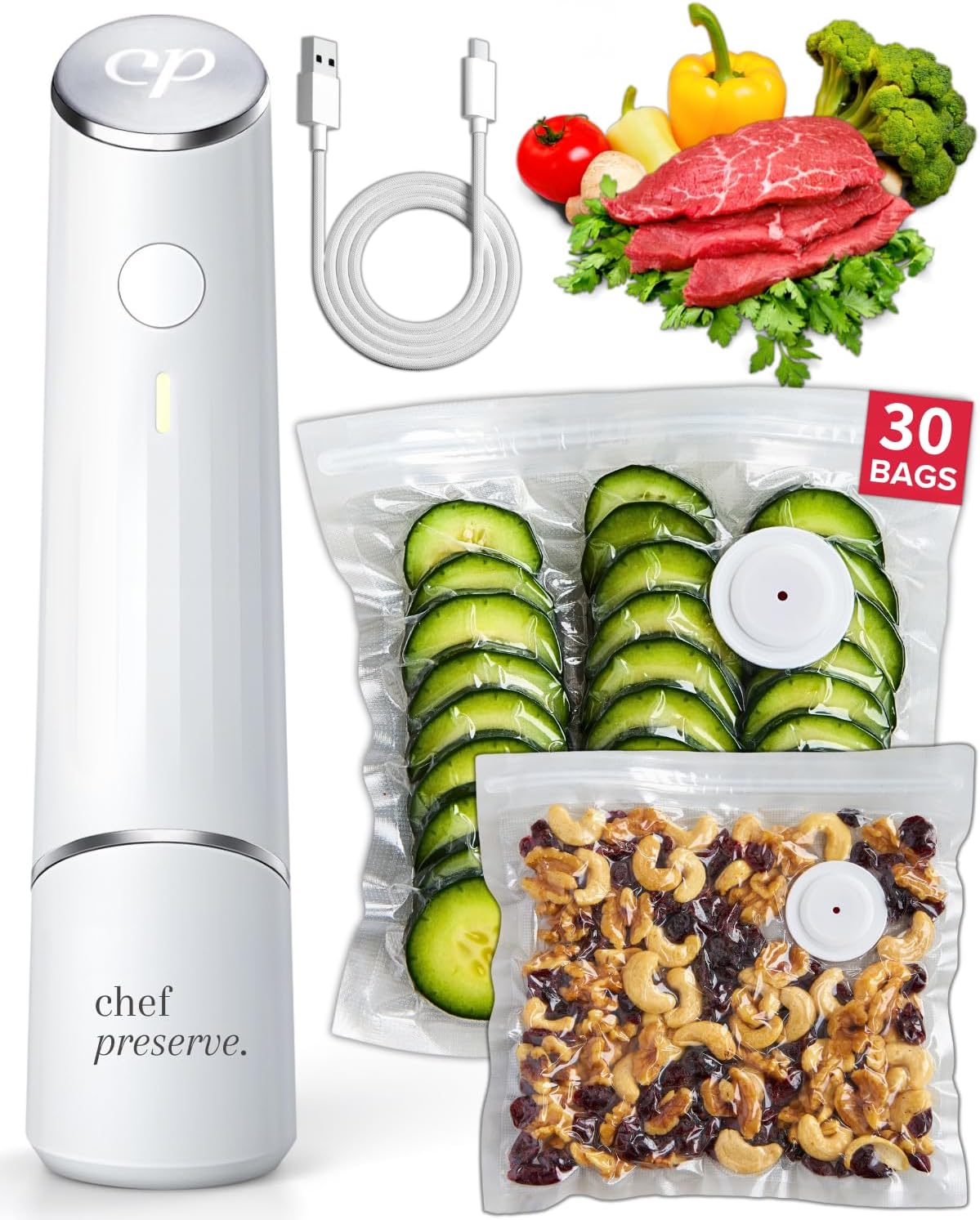
Chef Preserve Compact Vacuum Sealer
Best seller - includes 30 reusable bags

Beelicious Pro 10-in-1 Vacuum Sealer
Built-in cutter and roll storage, stainless steel

LKKNC 90KPa Portable Vacuum Sealer
Budget pick, one-touch lid, easy to clean
Vacuum Sealer Bags

Syntus Vacuum Sealer Bags (100 Gallon + Quart)
Best value - 100 gallon + quart mixed pack

Bonsenkitchen Vacuum Sealer Bags (150 Count Variety)
Gallon + quart + pint sizes, commercial grade

Bonsenkitchen Vacuum Sealer Rolls (2 Pack, 11" x 20')
Cut-to-size rolls, most popular option
As an Amazon Associate we earn from qualifying purchases.
Understanding Freezer Burn
Freezer burn is dehydration, not spoilage. It happens when moisture sublimates (turns directly from ice to vapor) from the meat surface and refreezes elsewhere in the package.
What it looks like
- • Dry, leathery patches
- • Grayish-brown discoloration
- • Ice crystals inside the package
- • Shriveled or tough texture
What to do about it
- • Trim off affected areas before cooking
- • Use in soups, stews, or ground applications
- • It's safe to eat - just unpleasant
- • Prevent with vacuum sealing
Temperature fluctuations are the enemy
Every time your freezer door opens or cycles through auto-defrost, surface ice melts slightly and refreezes into larger crystals. These crystals puncture cell walls, causing “drip loss” when thawed. Chest freezers (manual defrost, top-opening) maintain more stable temperatures than uprights.
Safe Thawing Methods
| Method | Time | Can Refreeze? | Notes |
|---|---|---|---|
| Refrigerator | 24 hrs per 5 lbs | Yes (if raw) | Best quality, safest |
| Cold Water | 30 min per lb | Cook first | Change water every 30 min |
| Microwave | Minutes | Cook first | Uneven - not recommended for quality |
| Counter | — | Never | Unsafe - surface enters danger zone |
The refreezing myth
You can safely refreeze thawed meat if it was thawed in the refrigerator and never exceeded 40°F. However, each freeze-thaw cycle damages cells and degrades quality. The meat will be noticeably drier and tougher. If you thawed more than you need, cook it first - cooked beef refreezes better than raw.
Best Practices for Long-Term Storage
- 1.Vacuum seal everything if you're storing for more than 6 months
- 2.Label with the date and cut type - use a freezer marker, not regular pen
- 3.FIFO: First In, First Out - new meat goes to the bottom
- 4.Keep a chest freezer over an upright - more stable temps, longer blackout protection
- 5.Maintain 0°F or colder - use a freezer thermometer to verify
- 6.Don't overload at once - 200 lbs of unfrozen meat overwhelms home compressors
A WiFi thermometer alerts your phone if the temperature rises - worth it when you have $500+ of beef in there.

GoveeLife Smart WiFi Freezer Thermometer
WiFi alerts if temp rises - peace of mind for $500+ of beef
This product link is an affiliate link. If you buy after clicking, we may earn a commission at no extra cost to you. As an Amazon Associate we earn from qualifying purchases.
Frequently Asked Questions
Is freezer-burned meat safe to eat?
Yes, freezer burn is a quality issue, not a safety issue. Those dry, grayish-brown patches are just dehydrated meat where moisture has escaped. The affected areas will be tough and flavorless, but they won't make you sick. Trim them off or use the meat in stews and sauces where texture matters less.
Can I eat beef that's been frozen for 2 years?
If it was kept continuously at 0°F, yes - it's safe. The USDA confirms that food stored at 0°F is safe indefinitely because bacteria can't grow. However, quality degrades over time. Vacuum-sealed steaks may still taste great at 2 years; loosely wrapped ground beef will likely have freezer burn and off-flavors. Check for signs of quality loss before cooking.
Does vacuum sealing really extend freezer life?
Dramatically. Vacuum sealing removes oxygen (which causes oxidation/rancidity) and eliminates the air gap where freezer burn forms. Properly vacuum-sealed beef can maintain quality for 2-3 years versus 4-12 months for standard wrapping. It's worth the investment if you're storing a half cow.
How can I tell if frozen beef has gone bad?
You can't reliably tell while frozen - severe freezer burn is the only visible sign. The real test is after thawing: smell it. Rancid fat smells sharp or soapy. Bacterial spoilage smells sour or putrid. If the meat smells like nothing or has a faint metallic smell, it's fine. Color changes (browning) are usually just oxidation, not spoilage.
What's the best way to thaw a roast?
Refrigerator thawing is the gold standard - allow 24 hours for every 5 pounds. This slow thaw preserves texture by letting moisture reabsorb into the fibers. For faster thawing, submerge the sealed meat in cold water, changing the water every 30 minutes. Never thaw on the counter; the surface enters the danger zone (40-140°F) while the core is still frozen.
Grilling Guide: Every Steak
Related Guides
Related Calculators
Sources & Methodology
- USDA Food Safety and Inspection Service - Freezing and Food Safety
- University of Nebraska-Lincoln Extension - Freezer Storage Times
- National Center for Home Food Preservation
- Half a Cow Club supplier directory - 1,200+ verified listings
Need more freezer guidance?
Check our freezer space calculator to size your storage correctly.